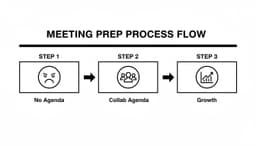
A solid one on one meeting agenda is more than just a list of topics; it's the foundation for a real conversation. It helps you move past basic status updates and get to the heart of what really matters: your team member's growth, challenges, and overall well-being. This simple document can turn a routine calendar invite into one of your most powerful leadership tools, especially when you're managing a remote or hybrid team.
Why Your 1:1 Meeting Agenda Is Your Most Important Tool
In today’s world of distributed teams, the spontaneous "drop-by-your-desk" chat is pretty much gone. Those quick, informal conversations that used to build rapport and solve small problems on the fly now have to be scheduled. This shift makes your one on one meeting agenda absolutely critical.
Without a plan, these meetings can easily wander off-topic, feel unfocused, or worse, seem like a complete waste of time for both of you. A good agenda makes sure this protected time is spent on what actually counts.
The New Reality of Workplace Communication
The number of one-on-one meetings has exploded, completely changing what a typical workweek looks like. The average professional is now in 5.6 one-on-one meetings per week, which is a massive 500% jump from before the pandemic. That adds up to nearly 9% of their entire workweek spent in these conversations, making a well-thought-out agenda more important than ever.
A purposeful agenda transforms this time from an obligation into a high-value investment. It creates a consistent, reliable space for your team members to bring up concerns, share their wins, and talk about where they see their career going.
From Status Updates to Strategic Partnerships
At the end of the day, a great one on one agenda elevates the meeting from a simple project check-in. It helps build a true partnership where you and your team member are on the same page about goals, transparent about roadblocks, and focused on professional growth.
This structured approach doesn't just improve individual conversations; it has a ripple effect on bigger projects too. By creating clarity and accountability in these meetings, you're better equipped to implement strategies for meeting project deadlines and hit your team's wider goals.
The Building Blocks of a Powerful Agenda
A great one-on-one meeting agenda isn't some rigid checklist you have to power through. It’s better to think of it as a flexible blueprint for a real conversation—a guide that makes sure you cover what matters while leaving room for what comes up. Without that basic structure, it’s all too easy for these meetings to become one-sided status updates or, even worse, just aimless chats.
The whole point is to create a framework where both you and your team member feel like you have an equal stake in the conversation. When you have a clear, repeatable structure, you’re sending the message that this is a true partnership. Each piece of the agenda is there for a reason, helping build a conversation that actually goes somewhere.
This is how a solid agenda fits into the bigger picture—it's the bridge between leadership and the trust and growth you want to see in your team.
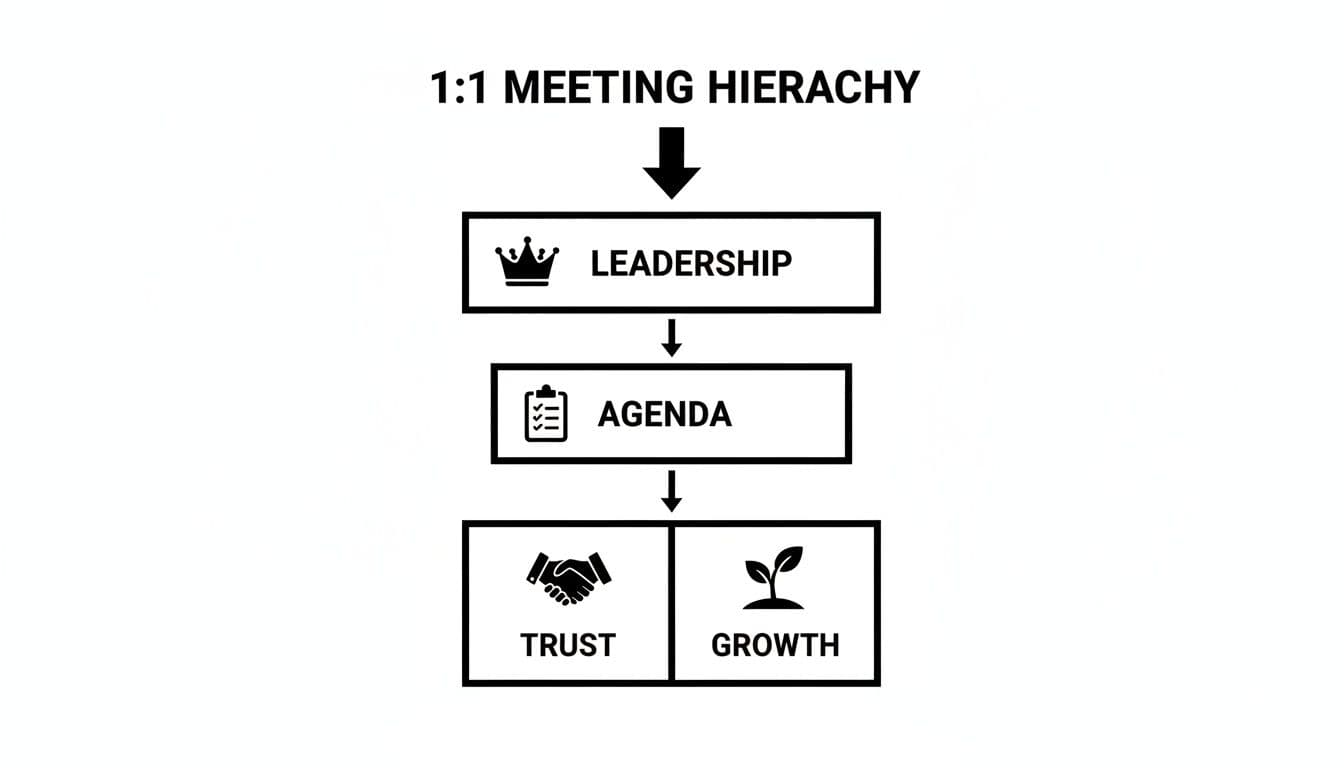
As the diagram shows, a well-defined agenda is the critical link that translates your leadership into tangible team growth and stronger working relationships.
Employee-Led Topics First
Always, always start with your team member’s agenda items. Kicking things off with their topics sends a powerful message: "This is your meeting, and your voice is the most important one here." It's a simple shift, but it massively boosts their sense of ownership and makes them feel safe enough to bring up the tough stuff—the real challenges, new ideas, or brewing concerns.
Giving them the floor first means their priorities get the attention they deserve before the conversation gets pulled in a different direction.
Manager Topics Second
Once your team member has covered their points, it’s your turn. This is your space for aligning on priorities, giving thoughtful feedback, and sharing any important updates from the wider company or team. By slotting your items in after theirs, your input feels more like a contribution to the dialogue they started, not a directive handed down from above.
Looking Back: Reviewing Progress
You have to make time to look back at what you’ve already discussed. Checking in on past commitments and action items builds a culture of accountability. When you review what was agreed upon last time, it shows that these conversations aren't just talk—they lead to real action and outcomes.
- Action Items: Did we actually do the things we said we would?
- Goal Progress: How are we tracking against the bigger quarterly or annual goals?
- Past Challenges: Are those roadblocks we talked about last month still there, or did we clear them?
This quick look back ensures nothing important slips through the cracks. If you want to dig deeper into structuring these elements, check out our guide on how to write a meeting agenda that actually works.
Looking Forward: Setting Direction
Finally, every good agenda pivots to the future. This is the part of the conversation where you get to talk about what’s next—career goals, upcoming projects, potential hurdles on the horizon, and new skills they want to build. This forward-looking focus is what turns a simple check-in into a genuine engine for motivation and growth, connecting their personal ambitions with where the team is headed.
To help you put this all together, here’s a practical timing breakdown for a standard 45-minute one-on-one.
Agenda Components and Suggested Timings
| Agenda Component | Purpose | Suggested Time (45 min meeting) |
|---|---|---|
| Check-in & Connect | Build rapport and ease into the meeting. A quick "How are you?" | 5 minutes |
| Employee-Led Topics | Give the employee the floor to discuss their priorities, challenges, and wins. | 15 minutes |
| Manager Topics | Share feedback, provide context, and discuss team or company updates. | 10 minutes |
| Review & Look Back | Check progress on previous action items and goals to ensure accountability. | 5 minutes |
| Look Forward | Discuss future goals, career development, and upcoming priorities. | 5 minutes |
| Wrap-up & Next Steps | Summarize key takeaways and clearly define action items for the next meeting. | 5 minutes |
This isn't a rigid schedule, but a guide to help you keep the conversation balanced and productive. Adjust it as needed, but always make sure you're protecting time for each of these key areas.
Actionable One-on-One Meeting Agenda Templates
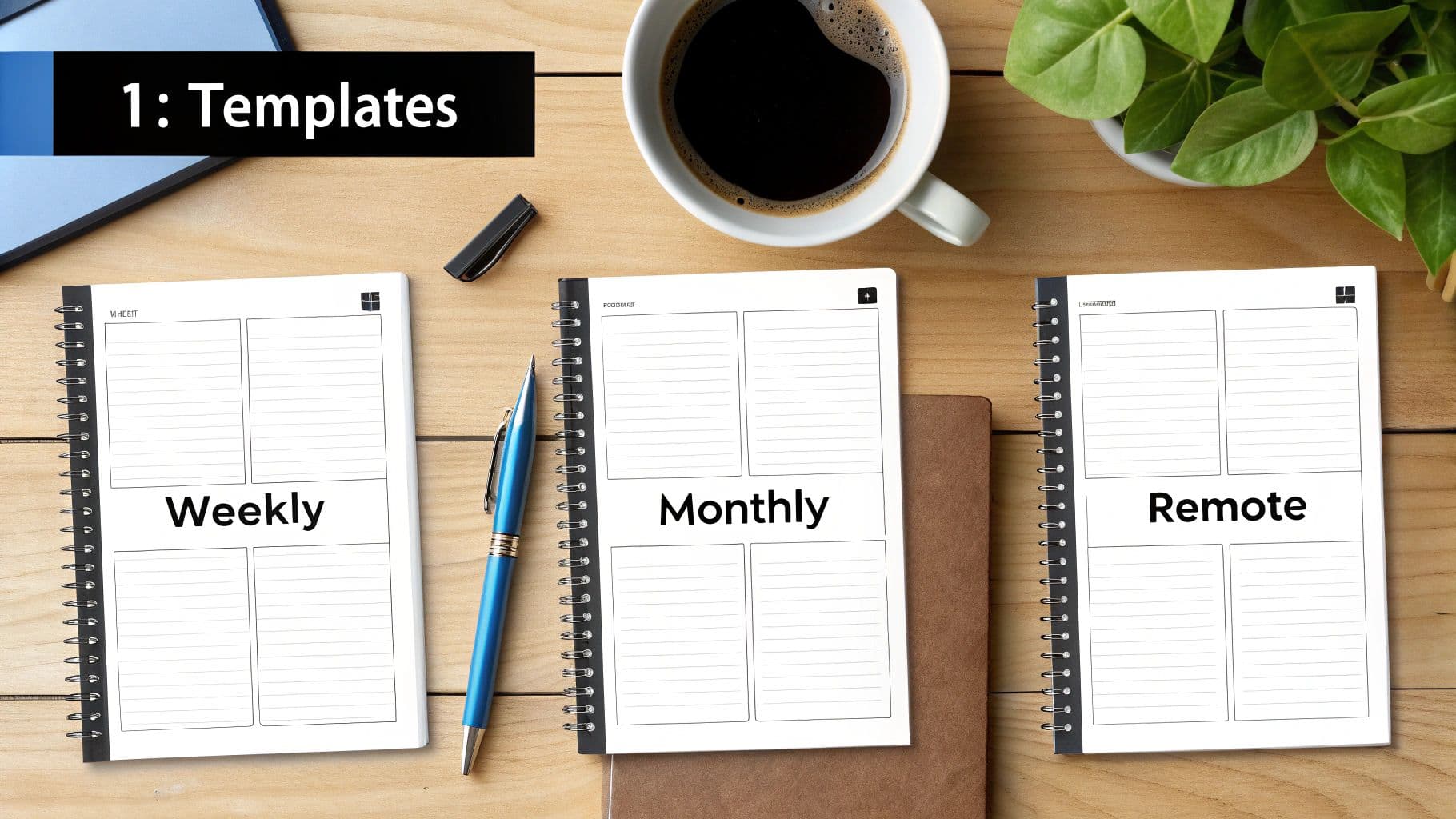
Knowing the theory behind a good one-on-one meeting agenda is a great start, but let's be honest—having a few solid templates you can grab and go makes all the difference. The right template gives you a proven starting point, a structure you can lean on and then tweak for different people and situations.
It really just takes the guesswork out of it and helps you have more focused, productive conversations right away.
Here are three practical templates I've found to be incredibly effective for the most common management situations. Feel free to copy these straight into your shared document or calendar invite to start leveling up your 1:1s today.
The Weekly Tactical Check-In
This is your go-to agenda for keeping things on track week to week. It’s all about staying aligned on short-term goals and whatever projects are currently in flight. Think of it as your quick, weekly huddle to make sure the train stays on the rails and everyone feels supported.
Purpose: To keep up momentum, solve problems as they pop up, and make sure you’re both crystal clear on the priorities for the week ahead.
Key Questions to Ask:
- What was your biggest win since we last talked?
- What are your top 3 priorities for this week?
- Are there any roadblocks I can help you smash through right now?
- On a scale of 1-10, how is your workload feeling this week?
This template is designed to be efficient and grounded in what’s happening right now, which is perfect for fast-paced teams or anyone deep in execution mode.
The Monthly Career Growth Conversation
About once a month, you need to zoom out from the daily grind and look at the bigger picture. This agenda template shifts the conversation from "what are you doing" to "where are you going." It carves out dedicated time to talk about long-term goals, skill development, and career aspirations.
Purpose: To show you’re invested in your team member’s development, understand what drives them, and find ways to align their personal growth with the team’s needs.
Powerful Questions for This Agenda:
- What part of your job is giving you the most energy right now?
- What's a new skill you'd be excited to learn in the next quarter?
- Where do you see yourself in the next year, and how can I help you get there?
- Is there a project or responsibility you'd like to take on to stretch yourself?
The Remote Team Connect
Managing remote or distributed teams means your 1:1s have to work a little harder. You can't rely on office body language or grabbing a coffee to get a real sense of how someone is doing. This template builds in specific prompts to check on well-being, encourage connection, and tackle challenges unique to working from home.
Purpose: To build trust, fight the feeling of isolation, and solve the specific operational and personal hurdles that come with remote work.
Agenda Prompts for Remote Teams:
- How is your work-life balance holding up these days?
- Are you getting enough connection and collaboration with the rest of the team?
- Is there anything we could do to make our remote communication or processes smoother?
- What do you need—resources, equipment, anything—to feel more effective at home?
These templates are a fantastic foundation, but the real magic happens when you make them your own. For a little more inspiration, check out our guide to the 15 best meeting agenda templates for every situation.
Finding the Right Rhythm for Your Meetings
Having a great one on one meeting agenda is a fantastic start, but it's only half the battle. The other, equally important half is getting the timing right. The real magic of these meetings comes from their frequency and, most of all, their consistency.
When you constantly cancel or reschedule, it sends a pretty clear signal: "This isn't a priority." Over time, that chips away at trust and makes your direct report less likely to open up.
Think of it like watering a plant. A splash of water here and there won't cut it. The plant needs a regular, predictable schedule to really thrive. Your one-on-ones work the same way. When they happen consistently, they build psychological safety, which encourages people to flag small issues before they snowball into huge problems.
Choosing Your Meeting Cadence
There’s no magic, one-size-fits-all frequency for one-on-ones. The right cadence really depends on the individual—their experience, their current projects, and how much support they need at the moment. You shouldn't have the exact same schedule with everyone on your team.
Here's a simple way to think about it:
- Weekly Meetings: This is perfect for new hires finding their feet, team members wrestling with a tricky new project, or anyone who just seems to be struggling. These frequent check-ins give you more opportunities to coach and support them when they need it most.
- Bi-Weekly Meetings: This is a great sweet spot for most of your experienced, solid performers. They’ve hit their stride and don't need hand-holding, but a check-in every couple of weeks is perfect for staying aligned and touching base.
- Monthly Meetings: Reserve this for your highly independent, senior folks or long-time veterans with a stellar track record. These conversations tend to be less about the day-to-day tactical stuff and more about big-picture strategy and long-term career growth.
This flexible approach means you give everyone the right level of support without clogging up their calendars. And remember, this isn't set in stone. You can always adjust the frequency as people grow in their roles or projects change. For a deeper dive, check out our guide on how to set a productive meeting cadence.
The data backs this up. The most engaged employees are the ones who have regular, consistent one-on-ones with their managers. In fact, well-run meetings can lead to a 430% increase in the odds of high employee engagement, a 432% boost in strong leadership perception, and a 27% decrease in burnout. You can find more insights on how meeting frequency impacts engagement on quantumworkplace.com.
Common Agenda Mistakes and How to Fix Them
Even with the best of intentions, it’s remarkably easy for a one-on-one meeting to go off the rails. A few common missteps can quickly turn a valuable conversation into just another wasted block on the calendar. But recognizing these pitfalls is the first step to making your one-on-ones truly effective.
One of the biggest culprits is the “Status Update Trap.” This is where the entire meeting is spent just running through a to-do list. It feels productive, but it's a massive missed opportunity. A simple project management tool or a shared doc can handle status updates asynchronously, freeing up your precious face-to-face time for the conversations that actually matter.
Then there's the “Manager Monologue.” This happens when the manager does all the talking, turning what should be a dialogue into a lecture. Remember, these meetings are for your team member. Your primary job is to listen, ask good questions, and guide the conversation, not dominate it.
Overcoming Inconsistency and Vague Follow-Up
Perhaps the most damaging mistake of all is inconsistency. When you constantly cancel or reschedule these meetings, you’re sending a clear message: this isn't a priority. Nothing erodes trust faster. It makes it nearly impossible for your direct report to feel safe enough to be open and honest.
And this problem is more common than you'd think. In today's over-scheduled world, research shows that one in every five one-on-one meetings gets canceled. For professionals with 15 or more meetings a week, that means rescheduling over 182 one-on-ones every year. That’s about 3.6 meetings pushed around every single week. You can learn more about how meeting cancellations impact modern professionals on flowtrace.co.
The fix? Treat your one-on-ones as sacred. If you absolutely have to move one, reschedule it on the spot. Don't just delete it from the calendar and hope to get back to it later.
Finally, we have the “No Follow-Up Fumble.” You have a great conversation, brilliant ideas are sparked, and then… crickets. All that momentum vanishes into thin air without a clear plan for what comes next.
This simple habit creates accountability and turns your conversations into real progress. Jot down these action items in a shared space at the end of every meeting. Then, make reviewing them the very first thing you do in your next one. This creates a powerful feedback loop that builds momentum from one week to the next.
How AI Can Supercharge Your One-on-One Meetings
Let's be honest, juggling a great one-on-one meeting agenda while also taking detailed notes is a tough act. You’re trying to listen, ask thoughtful questions, track action items, and remember key decisions all at once. It’s easy to feel like your focus is split, pulling you away from what really matters: connecting with your team member.
This is where an AI meeting assistant can be a game-changer. It’s not about replacing the human element; it's about amplifying it. Think of it as a smart partner that handles all the tedious admin work so you can be fully present and engaged in the conversation.
Taking the Admin Work Off Your Plate
The most immediate win you'll see with an AI assistant is automated transcription and summarization. Imagine this: instead of frantically typing away, you can maintain eye contact and truly listen, confident that a perfect record of the conversation is being created automatically.
This one small change completely transforms the dynamic of the meeting. It stops being a documentation task and becomes a genuine, focused dialogue.