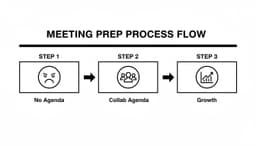
A good one-to-one meeting agenda is basically a shared game plan. It’s a simple document outlining what a manager and their direct report will talk about, what they hope to achieve, and what needs to get done afterward. Think of it as the tool that turns a casual chat into a powerful conversation about growth, roadblocks, and goals. It gives both people a roadmap so they show up ready and leave with a clear plan.
Why a Great Meeting Agenda Is Your Secret Weapon
Let's face it, we've all been in those one-on-ones that feel like a complete waste of time. They wander off-topic, don't really have a point, and nothing ever seems to come from them. This is exactly why a sharp, well-thought-out agenda is a manager's best friend. It’s what separates a pointless ramble from a conversation that actually moves the needle.
Without an agenda, it's way too easy for these important check-ins to get bogged down in daily updates that could have been an email. A simple, structured plan keeps the conversation focused on the bigger picture. In fact, studies show that employees whose managers hold regular meetings are three times as likely to be engaged. An agenda is what makes that time truly valuable.
The Agenda as a Tool for Empowerment
When you create a shared agenda, it does more than just keep the meeting on schedule—it completely shifts the power dynamic. By asking your team member to add their own topics before the meeting, you’re sending a clear message: their voice matters. This small act gives them ownership and empowers them to bring their real concerns to the table.
This collaborative approach is a huge trust-builder. It shows your direct report that this meeting is genuinely for them, not just a one-way street for you to get a status update. An employee who helps set the agenda is one who will show up engaged, prepared, and ready for a real conversation.
From Vague Chats to Concrete Progress
At the end of the day, a one-on-one is supposed to help people grow, clear obstacles, and build a stronger working relationship. A thoughtful agenda is what makes sure that actually happens. By spelling out what you’ll discuss, you’re creating a natural framework for accountability and action. For a deeper dive, check out our guide on how to run effective meetings that actually get things done.
This simple shift helps you get past the surface-level stuff to tackle real challenges, celebrate wins, and get on the same page about what's next. It’s a straightforward way to boost performance, improve morale, and build the kind of rapport that makes great people want to stick around.
The Three Pillars of a High-Impact Agenda
A great one to one meeting agenda doesn't need to be a laundry list of talking points. In fact, it’s better when it’s simple. Think of it as a basic framework built on three core pillars that keep the conversation on track and productive.
The model is simple: The Past, The Present, and The Future. This structure creates a natural rhythm, moving smoothly from checking in on old business to tackling what's happening now, and finally, looking ahead to what's next. It’s less of a rigid script and more of a roadmap for a meaningful conversation.
Pillar 1: The Past
This first part is all about follow-through. It’s where you circle back on the commitments you both made in your last meeting. Did everything get done? This isn't about micromanaging—it’s about building a foundation of trust and showing that these meetings actually lead to action.
Kicking things off by reviewing previous action items sends a clear signal: our conversations matter, and we hold ourselves accountable. It’s a simple habit that makes a world of difference.
Here’s a quick look at how you could structure this in a shared document:
This clean layout separates past commitments from today’s topics and future goals, making it easy for both of you to see what’s what and add your own points.
Pillar 2: The Present
With past items covered, you can shift gears to what's happening right now. This is the heart of the meeting—the space dedicated to current projects, challenges, and just a general check-in on how things are going. It’s your direct report's floor to talk about what’s on their mind today.
A few key things to touch on here:
- Celebrate Wins: Take a moment to acknowledge recent successes, big or small. It’s a huge morale booster and reinforces great work.
- Clear Roadblocks: Ask what’s getting in their way. Is there a process that’s slowing them down? Do they need a resource they don't have?
- Check In (For Real): Go beyond the project updates. Ask them how they’re really feeling. How’s the workload? How are things with the team?
This idea of a shared agenda is so important. When team members get to add their own topics, the quality of the conversation skyrockets. It's a missed opportunity for many, though. One study found that while effective one-on-ones can lead to a 430% higher chance of engagement and a 27% reduction in burnout, a third of employees have zero say in their own meeting agenda. You can dive deeper into these findings by reading the full O.C. Tanner report on one-to-ones.
Pillar 3: The Future
The last pillar is all about looking ahead. This is where you talk about career goals, ambitions, and professional growth. Honestly, this might be the most important part of the meeting for keeping your best people happy and motivated long-term. It shows you’re invested in them as a person, not just as a producer of work.
This part of the conversation can cover things like:
- Career Goals: What do they want to accomplish in the next six months? The next year? Where do they see themselves going?
- Skill Development: Are there new skills they’re itching to learn? Any areas where they feel they could grow?
- Growth Opportunities: How can you help them get there? Can you connect them with a mentor, find a cool project, or approve a training course?
Carving out time for "The Future" in every single meeting sends a powerful message: you're a partner in their career. This forward-looking focus is what separates a good manager from a great one and keeps your top talent from looking elsewhere. By consistently hitting these three pillars, your one-on-ones will become one of the most valuable tools you have for building a strong, connected team.
Agenda Templates That Actually Work for Your Team
Let's be honest: a generic, one-size-fits-all agenda just doesn't work. The conversations you need to have with your top salesperson are worlds away from what your lead operations manager or your fully remote designer needs to talk about. Using the same checklist for everyone results in stale, surface-level chats that miss the mark entirely.
To make your one-to-ones truly powerful, the one to one meeting agenda has to be specific to the person sitting across from you (even if it's on a screen). A tailored agenda isn't just a document; it's a message. It tells your team member, "I see you, I understand your role, and I'm invested in your success." This simple shift turns a routine check-in into a genuine strategic conversation.
The trick is to build from a solid foundation. While a "Past, Present, Future" model is a great starting point, the real magic happens when you customize the talking points within that framework for each individual.
This visual breaks down how a strategic framework can help you build a focused one to one meeting agenda rooted in core pillars.
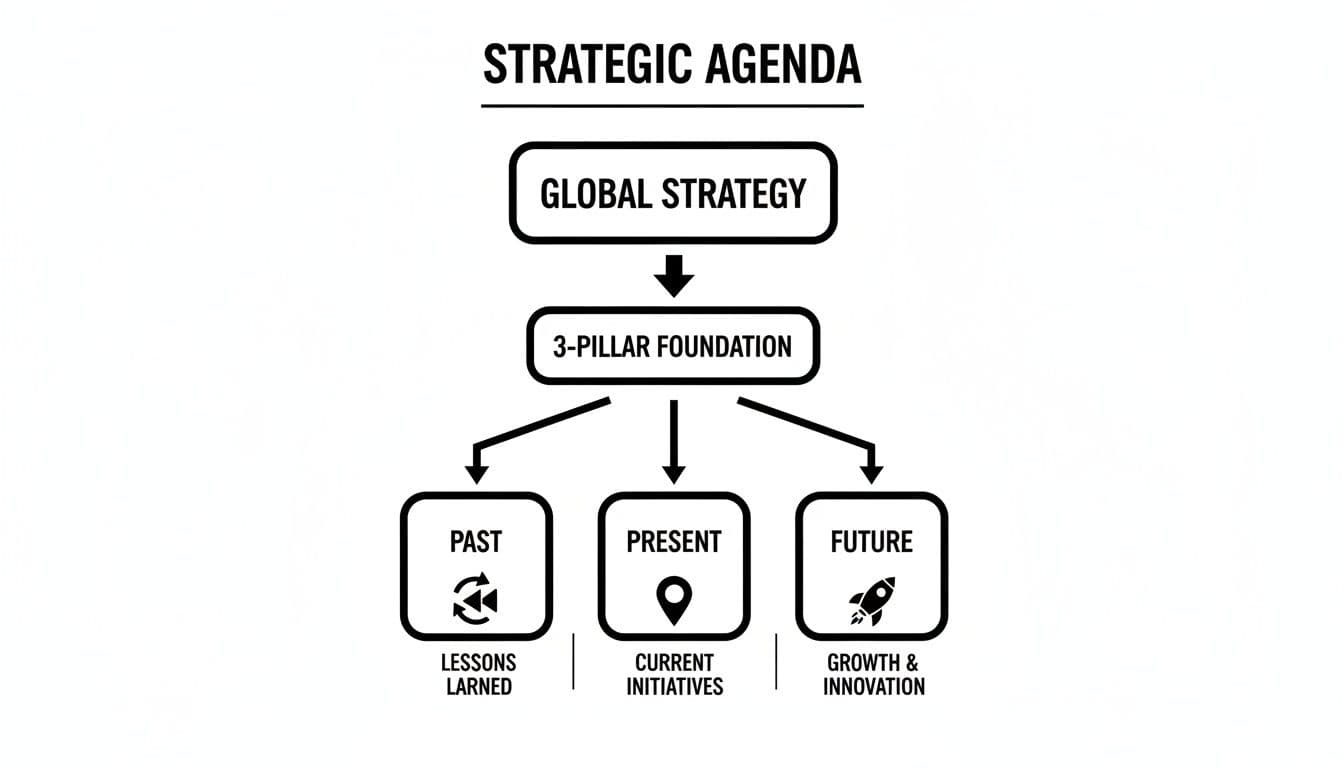
This structure gives you a reliable blueprint to cover everything from accountability and current roadblocks to long-term growth, all while remaining flexible enough for any role.
Different roles demand different conversations. To make your one-to-ones as effective as possible, you need to tailor the agenda to fit the unique challenges and goals of each team member. The table below outlines how you might structure these conversations for different departments, ensuring every minute of your meeting is relevant and impactful.
One to One Agenda Topics by Role
| Agenda Section | For Sales Professionals | For Operations Managers | For Remote Team Members |
|---|---|---|---|
| Looking Back | Review key wins and stalled deals from the past week. Analyze pipeline health and conversion rates. | Discuss completed projects and process improvements. Identify any recent bottlenecks or inefficiencies. | Celebrate recent wins and contributions. Check in on completed tasks and any communication hurdles. |
| Right Now | Strategize on 1-2 high-priority deals. Role-play objection handling for current prospects. | Map out current resource allocation against priorities. Troubleshoot active process issues. | Discuss current project status and any immediate blockers. Gauge current workload and work-life balance. |
| Looking Ahead | Brainstorm prospecting strategies for the upcoming quarter. Identify one specific skill to develop (e.g., closing, demo skills). | Plan for upcoming projects and resource needs. Discuss potential system or workflow optimizations. | Set clear goals for the next week/month. Talk about career development and opportunities for visibility. |
By customizing your talking points, you move beyond a simple status update and into a meaningful dialogue that helps each person grow and succeed in their specific context.
Agenda for a Sales Professional
When you sit down with a salesperson, the conversation has to be about momentum. Their entire world is built on pipeline, targets, and closing deals, so your agenda needs to reflect that reality.
This isn't just about asking "How are things going?" It's about digging into the data and having a strategic discussion about what's working, what isn't, and why.
Here are a few essential talking points to get you started:
- Pipeline Deep Dive: Don't just look at the total value. Where are deals getting stuck? Let's talk strategy for moving a few key opportunities forward.
- Objection Coaching: What are you hearing from prospects? Let's talk through the toughest objections and brainstorm some effective responses together.
- Big Deal Strategy: Pick one or two high-value or particularly tricky deals on the table. I'm here to be your co-strategist and help map out the next moves.
- Skill Sharpening: Is it cold calling, running demos, or the final close? Let's pinpoint one area for improvement and create a simple, actionable plan to work on it.
Agenda for an Operations Manager
With an operations manager, the focus flips from individual deals to the health of the entire system. Their success is measured in smooth processes, smart resource allocation, and a team that runs like clockwork.
Your conversation should be about the "how"—the systems and workflows that power the team. You're there to provide a bird's-eye view and help them clear any systemic roadblocks.
Make sure your shared agenda includes topics like these:
- Process Bottlenecks: Where is the friction? Let's use this time to identify where things get bogged down and brainstorm some real solutions.
- Resource Check-in: Does the team have the tools, budget, and people they need right now? Let's make sure resources are lined up with our biggest priorities.
- Team Performance Metrics: Let’s look at the key KPIs for productivity. The data will tell us where we're excelling and where we can get even better.
- Cross-Functional Harmony: Are there any communication breakdowns between our team and others? Let's talk about how to smooth out those relationships and work better together.
Agenda for a Remote Team Member
Managing remote employees requires more intention. You can't rely on those spontaneous "water cooler" moments to build connection, which makes your one-to-one the most important touchpoint you have.
Of course, performance is still a priority, but the agenda needs to consciously make space for personal connection and address the unique challenges of not sharing an office. To get this right, it helps to have an effective meeting agenda template designed for this purpose.
Try weaving these topics into your remote one-to-ones:
- Human Check-in: Always start with something non-work-related. Ask about their weekend, a hobby, anything. It's how you build the rapport that's so easily lost at a distance.
- Communication Flow: Are they feeling connected or out of the loop? Ask if our current channels (Slack, email, etc.) are working for them and if they have the info they need.
- Work-Life Boundaries: The line between the living room and the office can get incredibly blurry. Check in on their workload and make sure they feel like they can truly sign off at the end of the day.
- Visibility and Recognition: It’s easy for great work to go unnoticed when everyone's remote. Make a point to call out specific wins and ensure they feel their contributions are seen by the whole company.
When you tailor your approach, you're showing each person that you're not just checking a box. You're a partner in their success. For more ideas, check out our guide on how a better one-on-one meeting agenda to drive growth can make all the difference.
Finding the Right Rhythm for Your One to Ones
So you've put together a solid one-to-one meeting agenda, but a huge question is still hanging in the air: how often should you actually meet? Getting the frequency and length right is just as crucial as the topics you discuss. Think of it like watering a plant—too little, and the relationship withers; too much, and it just feels overwhelming.
Finding the right meeting cadence is all about creating a rhythm that builds momentum without cluttering up an already packed schedule. The perfect timing isn't a one-size-fits-all formula. It really depends on the individual, their role, and what’s on their plate right now.
Recent data shows just how ingrained these meetings have become. Professionals now average 5.6 one-on-one meetings every week, which is a staggering jump of over 500% since before the pandemic. These check-ins eat up nearly 9% of the workweek, with most companies settling into a regular schedule. You can dig into more insights from the Reclaim.ai productivity report to see how other teams are handling this time.
Choosing Your Meeting Cadence
The most common rhythms are weekly, bi-weekly, or monthly, and each has its own vibe. The trick is to match the frequency to what your team member actually needs.
- Weekly Meetings: This is the gold standard for new hires, anyone on a performance improvement plan, or team members deep in a high-stakes, fast-moving project. The constant contact creates a tight feedback loop, letting you knock down roadblocks quickly and offer steady support. For a new employee, this is a lifeline for building confidence and feeling connected.
- Bi-Weekly Meetings: Once an employee is more settled and working independently, a bi-weekly (every two weeks) meeting often hits the sweet spot. It leaves enough time between chats for real progress to happen, so you have something meaty to talk about. This cadence respects their autonomy while still providing a reliable touchpoint for strategy and feedback.
- Monthly Meetings: For your seasoned, senior-level folks who operate with a lot of independence, a monthly check-in can be perfect. These conversations usually zoom out to focus on long-term goals and bigger strategic challenges instead of the day-to-day grind.
Whatever you decide, consistency is everything. If you’re constantly rescheduling, you’re sending a clear message that the person isn't a priority. You can learn more about how to set a productive meeting rhythm in our detailed guide.
How Long Should a One to One Be
Just as important as how often you meet is how long you meet for. The duration really sets the expectation for how deep the conversation can go.
The 30-Minute Power Session For most weekly and bi-weekly meetings, 30 minutes is the sweet spot. It’s long enough to cover the essentials—wins, challenges, and what’s next—without feeling rushed. This timeframe keeps everyone focused and respects their time, striking a great balance between getting stuff done and having a real conversation.
The 60-Minute Deep Dive A full hour works best for those monthly check-ins or for less frequent meetings with senior team members. The extra time allows for deeper strategic discussions, career pathing, and tackling complex problems that you just can’t cram into a shorter meeting. It’s also a good choice when you know there’s a sensitive or tricky topic you need to work through together.
Ultimately, finding the right rhythm is a conversation. Ask your team members what works for them. When you collaborate on the timing and protect that slot on the calendar, you build a foundation of trust and show them that their growth is one of the most important meetings you have.
Turning Conversations into Action
A great conversation is meaningless if nothing changes afterward. We've all been there: an insightful one-to-one that feels productive in the moment, only to fall flat because it doesn't lead to real action. This is where many of us drop the ball, letting valuable momentum just slip away.
Think of the follow-up not as an administrative chore, but as the bridge between discussion and actual progress. Mastering this final step is what turns the commitments you make into tangible results. Without a clear process for tracking what comes next, you risk having the same exact conversation week after week.
And these meetings add up. Globally, one-on-one meetings have seen an 18% rate hike since 2020, with a staggering 11 million happening daily in the US alone. With professionals spending up to 15% of their time in these check-ins, making every minute count is non-negotiable.
The Simple Framework for Follow-Through
So, how do you make sure your discussions lead to real outcomes? It helps to have a system. You can even use a dedicated app to manage team tasks and keep everything in one place.
Here’s a simple, three-step process to wrap up your meetings and make sure things get done:
- Capture and Clarify: Before you end the call, explicitly list out the next steps. Don't just assume everyone is on the same page. A quick verbal confirmation—“Okay, so you’ll tackle X, and I’ll handle Y”—ensures there's no confusion.
- Assign Ownership: Every single action item needs a clear owner. Ambiguity is the enemy of progress. Assign one person to be responsible for each task. No "we'll figure it out later."
- Set a Deadline: An action item without a deadline is just a nice idea. Agree on a realistic due date for each task. This creates a healthy sense of urgency and a clear timeline for checking back in.
Making this a habit at the end of every meeting transforms vague intentions into a concrete plan. Both you and your team member walk away knowing exactly who is doing what and by when.