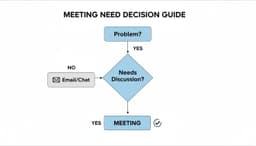
Think of ground rules in meetings as a team's playbook. They're a simple, agreed-upon set of guidelines that outline how everyone should act and contribute. These rules cover everything from showing up on time to how decisions get made, turning what could be a chaotic mess into a focused, productive session.
Why Your Meetings Are Failing and How to Fix Them

Let's face it, most of us have sat through meetings that were a complete waste of time. They meander off-topic, start late, and end with no clear action items. It’s more than just a minor annoyance; it’s a killer of productivity and morale.
The root of the problem is a lack of structure. When people walk into a meeting without a shared understanding of how to meet, things naturally fall apart. Imagine a basketball game with no rules—no shot clock, no fouls, no out-of-bounds. It would be pure chaos. Ground rules in meetings are that essential rulebook, creating a predictable and fair environment where everyone can collaborate effectively.
The Staggering Cost of Unstructured Meetings
This lack of a playbook has a real-world financial cost. Bad meetings cost U.S. businesses an eye-watering **399 billion** every single year. The problem is global, with Germany losing 73 billion and the UK losing $58 billion to the same issue.
The "why" is pretty clear: studies show that a dismal 37% of meetings actually use an agenda. It’s no surprise, then, that only 37% of them lead to a concrete decision. This is precisely why setting clear expectations is non-negotiable, especially for today’s remote and hybrid teams.
To help you get started, here's a quick look at some of the most common meeting frustrations and the simple ground rules that can solve them.
Common Meeting Problems and Their Ground Rule Solutions
| Common Problem | The Ground Rule Solution | Primary Benefit |
|---|---|---|
| Meetings start late and run over. | The Punctuality Pact: All meetings start and end on time, no exceptions. The last 5 minutes are reserved for wrap-up. | Respects everyone's schedule and ensures time for clear next steps. |
| One or two people dominate the discussion. | The "Share the Air" Rule: No one speaks twice until everyone who wants to has spoken once. | Encourages participation from quieter team members and diverse perspectives. |
| Conversations get sidetracked. | The Parking Lot: Off-topic but important ideas are "parked" on a whiteboard or doc to be addressed later. | Keeps the meeting focused on its core objective without losing valuable insights. |
| Attendees show up unprepared. | Pre-work is Prerequisite: Attendees must review the agenda and any linked materials before the meeting. | Maximizes meeting time for discussion and decisions, not just information sharing. |
| Decisions are made but never acted upon. | Action-Oriented Endings: Every meeting ends with clear action items, assigned owners, and deadlines. | Turns talk into tangible progress and creates accountability. |
These are just a few examples, but they show how straightforward guidelines can transform your team's meetings from frustrating to functional.
Building a Foundation for Success
Putting ground rules in meetings in place is about more than just efficiency—it’s about fostering a culture of mutual respect and accountability. The best part? When the team creates these rules together, everyone feels a sense of ownership, making them far more likely to stick.
Taking this simple step can turn your most dreaded calendar invites into genuinely valuable, action-driven conversations. For more ideas on how to make your get-togethers more impactful, you can find great strategies on how to run more effective team meetings.
The Core Principles of Effective Meeting Ground Rules
Great meeting ground rules aren't just a list of "don'ts." They're more like the rules of the road for a productive conversation—a shared agreement that helps everyone navigate the discussion and contribute without getting lost or causing a pile-up.
At their heart, the best ground rules aren't handed down from on high. They grow organically from the team itself. When everyone has a hand in creating the guidelines, they feel less like a mandate and more like a mutual promise. This sense of shared ownership is what makes them stick.
The Foundation: It All Starts with Shared Ownership
Let's be honest, rules dictated by a manager can feel restrictive and often lead to quiet pushback. But when a team builds the rules together, something shifts. A sense of collective responsibility takes over. The team goes from being passive passengers to active architects of their own work environment.
For this to happen, the process has to be truly collaborative. Every person needs an equal say in suggesting, debating, and finalizing the rules that will shape their meetings. This buy-in is what turns a boring checklist into a living, breathing team charter that everyone actually cares about.
This isn't just about managing behavior; it's about building a stronger, more connected team culture.
Clarity and Purpose Must Be Crystal Clear
Vague rules are useless. A guideline like "be respectful" sounds nice, but it's too broad to mean anything in practice. What does respect actually look like during a heated debate? Good ground rules take these fuzzy values and turn them into clear, actionable behaviors.
For instance, instead of the vague "be respectful," you could create specific rules like:
- One speaker at a time: Let people finish their thoughts without jumping in.
- Critique ideas, not individuals: Keep feedback focused on the concept, not the person who shared it.
- Listen to understand, not just to reply: Genuinely hear what someone is saying before planning your response.
Every rule also needs a clear "why." Why do we have a "laptops closed" rule? Because it helps everyone stay present and engaged, making the most of the time we have together. When your team understands the reason behind each rule, they’re much more likely to follow it. This clarity cuts through the noise and gets everyone focused on one simple goal: making every meeting count.
Essential Ground Rules for Any Type of Meeting
Knowing the why behind ground rules is one thing, but putting them into practice is where the magic really happens. The truth is, the best ground rules in meetings aren't a one-size-fits-all solution. A rule that keeps a strategic planning session on track could completely suffocate the energy in a creative brainstorm.
This is why you need a flexible toolkit. By tailoring the rules to the goal, you set your team up for success—whether that's dreaming up the next big thing, making a tough call, or just making sure everyone on a remote call feels included.

Think of it like this: solid ground rules are the foundation. On top of that, you build respect, efficiency, and collaboration—the pillars of any high-performing team.
Foundational Rules for Every Meeting
While it's smart to adapt your rules, a few non-negotiables form the bedrock of a great meeting culture. These should be the standard for pretty much any get-together.
- Start and End on Time: This is the ultimate sign of respect for everyone's calendar. It shows you value their time and builds a culture of discipline.
- Have a Clear Purpose and Agenda: No one should ever have to ask, "Why am I here?" The agenda is your roadmap, ensuring the meeting has a clear destination.
- One Conversation at a Time: Side chats are focus killers. This simple rule keeps everyone dialed in on the same topic and prevents people from feeling left out.
- Assign Action Items with Owners and Deadlines: A meeting that ends without clear next steps is just a nice chat. This rule is what turns discussion into actual progress.
With these fundamentals in place, you have a strong starting point. From here, you can layer on more specific guidelines that fit the unique needs of each meeting.
Adapting Rules for Different Meeting Types
Let’s get practical and look at how to tweak the rules for different kinds of meetings. You'll see how the guidelines shift depending on what you're trying to accomplish.
1. For Creative Brainstorming Sessions Here, the goal is to generate as many ideas as possible—wild, brilliant, or otherwise. The rules need to create a space where creativity can flourish.
- Defer Judgment: This is crucial. There's no such thing as a "bad idea" in a brainstorm. Analysis can wait.
- Encourage Wild Ideas: Give everyone permission to think way outside the box. The most innovative solutions often start with a suggestion that sounds a little crazy at first.
- Build on the Ideas of Others: Think "Yes, and..." This approach encourages collaborative building rather than shutting down a thought before it has a chance to grow.
2. For Remote or Hybrid Meetings When your team is spread out, you have to be much more intentional about bridging the distance and making sure every voice is heard.
- Cameras On, Mute When Not Speaking: Seeing faces builds connection and keeps people engaged. Hitting mute is just good etiquette—it cuts out distracting background noise for everyone else.
- Use the "Raise Hand" Feature: This is the digital equivalent of politely waiting for a turn to speak. It prevents the chaos of people talking over each other and creates an orderly flow.
- Clarify Time Zones Upfront: This is non-negotiable for global teams. As virtual meetings exploded from 48% to 77% of all sessions by 2022, nearly a third of them now cross time zones—a 35% increase since 2021. Without clear rules, burnout is guaranteed. After-hours meetings (post-8 PM) are already up 16% year-over-year.
3. For Strategic or Decision-Making Meetings These meetings are often high-stakes. They demand sharp focus, absolute clarity, and a firm commitment to moving forward.
- Data, Not Drama: Decisions should be rooted in facts and objective information, not just gut feelings or personal opinions.
- Disagree and Commit: Healthy debate is a good thing! But once the group makes a final decision, everyone needs to get behind it and execute as a unified team.
- Clarify the Decision-Making Process: Is this a group consensus? A majority vote? Or does one person have the final say? Establishing this at the start avoids confusion and frustration later.
To make this even easier, here’s a quick-reference table with some plug-and-play rules for your next meeting.
Ground Rules Template by Meeting Type
This table gives you a starting point for setting expectations in some of the most common meeting formats. Feel free to mix and match to create the perfect recipe for your team.
| Meeting Type | Key Ground Rule Example 1 | Key Ground Rule Example 2 | Key Ground Rule Example 3 |
|---|---|---|---|
| Brainstorming | Defer judgment on all ideas | Encourage wild, out-of-the-box thinking | Build on others' ideas with "Yes, and..." |
| Remote/Hybrid | Cameras on, mute when not speaking | Use the "Raise Hand" feature to speak | State your name before speaking |
| Decision-Making | Data over drama—base arguments on facts | Disagree and commit once a decision is made | Clarify the decision-making process upfront |
| Project Kick-off | Define roles and responsibilities clearly | Agree on communication channels (e.g., Slack vs. email) | Set a clear timeline for first milestones |
| 1-on-1 Check-in | Both parties contribute to the agenda | Focus on development and blockers, not just status | Ensure complete confidentiality |
By picking the right ground rules in meetings, you're not just being picky—you're giving your team the structure they need to do their best work. For more great ideas, check out our guide with 10 practical tips to boost engagement.
How to Introduce and Uphold Ground Rules
A brilliant set of ground rules in meetings is just wall art if nobody follows them. The real trick isn't writing the rules, but weaving them into your team's DNA so they become automatic. It’s less about rigid enforcement and more about building a culture of shared accountability.
The absolute best way to make rules stick? Create them together. Rules handed down from on high feel like a chore. Rules the team builds together feel like a pact. That sense of collective ownership is the secret sauce.
Facilitating a Collaborative Rule-Making Session
First things first: set aside dedicated time for this. Don't just tack it onto the end of a weekly sync. The goal is to host a real conversation where everyone feels safe to speak up. Your job is to be the guide on the side, not the sage on the stage.
Here’s a simple game plan to get you started:
- Start with the "Why": Kick things off by asking everyone to anonymously jot down their biggest meeting pet peeves. This immediately frames the exercise as a way to solve shared problems, not just add more bureaucracy.
- Brainstorm Solutions: Collect the notes and group the frustrations into themes—things like people showing up late, constant interruptions, or conversations going off the rails. From there, brainstorm rules as a group that would directly solve those specific pain points.
- Refine and Commit: Now, trim the fat. A long list of rules is a forgotten list. Zero in on the most impactful ones and get them down to 5 to 7 strong rules that are clear, simple, and actionable.
- Make Them Visible: Once you’ve landed on your final list, put it everywhere. Drop it into recurring calendar invites, pin it in your team's Slack channel, or make it the opening slide for your presentations. Keep it front and center.
This whole process turns rule-making from a top-down mandate into a bottom-up commitment. It’s a powerful shift.
Gently Enforcing the Rules
"Enforcement" sounds harsh. Think of it more like gentle course correction. The goal is to empower the team to hold each other accountable, respectfully.
Having a designated facilitator can make a world of difference here. This person isn't a cop; they're just responsible for keeping the meeting on the tracks by reminding everyone of the rules they created.
This kind of light-touch guidance keeps the vibe positive and productive. To learn more about creating that collaborative spirit, check out our guide on effective norms for meetings that drive results.
What to Do When Rules Are Broken
Look, people will slip up. It happens. A quick, friendly reminder is usually all it takes. But if you have someone who consistently ignores the rules, it's time for a quiet, one-on-one chat.
Lead with curiosity, not criticism. You could try something like, "Hey, I've noticed you've been late to the last few meetings. Is everything alright? The team agreed to start on time to make sure we respect everyone's schedule." This opens the door for a conversation instead of a confrontation.
At the end of the day, upholding ground rules in meetings starts with the leader. When you model the behavior you want to see—every single time—you show everyone that these rules matter. That's how you build a rock-solid foundation of respect and efficiency.
Using Technology to Reinforce Your Meeting Rules

Even with the best intentions, keeping everyone on track with your ground rules in meetings can be tough. It often feels like you’re herding cats. This is where the right technology can be a game-changer. Think of an AI meeting assistant not just as a robot taking notes, but as a neutral referee helping the team play by the rules they agreed on.
These tools are fantastic allies for building better meeting habits. By handling some of the grunt work automatically, they help enforce the rules without anyone having to be the "meeting police." Accountability just becomes part of the process, not an awkward conversation.
How AI Assistants Uphold Your Rules
Let’s say you have a rule: "Every meeting ends with clear action items." In the past, someone had to frantically type those up, assign them, and hope they didn't miss anything. An AI assistant, on the other hand, listens for phrases like "I'll handle that" and automatically creates a to-do list with names attached right in the summary.
This kind of subtle automation is what makes it so powerful. It works quietly in the background, making it easier to follow the rules than to ignore them. Here’s a quick look at what these tools can do:
- Automated Agendas: Many assistants connect to your calendar, so the agenda is automatically attached to the invite and even displayed on-screen. This keeps the "stick to the agenda" rule front and center without the facilitator constantly having to steer people back.
- Real-Time Transcription: When a live transcript is scrolling by, people naturally cut down on interrupting or having side chats. Everyone is a bit more conscious of contributing to a clean, clear record.
- AI-Generated Summaries: The summary is your best friend for accountability. It's an objective record of who was there, what was decided, and who owns what. This makes rules like "document all decisions" completely foolproof.
Let’s face it, meeting fatigue is a real problem. Professionals are in over 10 virtual meetings a week, and for some, that adds up to more than 9 hours of wasted time weekly. Executives are now spending an unbelievable 23 hours per week in meetings, yet a staggering 37% of those meetings don't even lead to a decision.
AI summarization tools directly attack this problem. By automatically capturing decisions and action items, they provide a digital backstop that reinforces your rules for every team, from sales to engineering. For a deeper look at these stats, check out this deep dive on meeting statistics.
Finding the right tool is key. To get started, you can explore our guide to the best AI meeting assistant tools of 2025 and see which one clicks with your team. Remember, you’re not just adopting a new app; you’re investing in a smarter, more disciplined way of working together.
Got Questions About Meeting Ground Rules?
Even with the best intentions, rolling out a new set of ground rules for your meetings can feel a little awkward at first. You're bound to run into some tricky spots. Let's walk through some of the most common hurdles and how to clear them, so you can keep your team moving in the right direction.