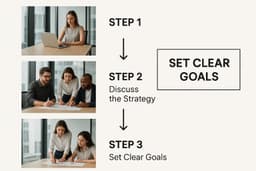
Delegating isn't just about offloading work—it’s about strategically entrusting the right tasks to the right people. When you get this right, it's a game-changer. It’s a leadership skill that’s less about managing a to-do list and more about empowering your team, building new skills across the board, and freeing yourself up for the high-level work that actually moves the needle.
Why Smart Delegation Is Your Leadership Superpower

It’s so easy to fall into the "It's just faster if I do it myself" trap. We’ve all been there. It feels like the most efficient choice in the moment, but it’s a direct path to burnout for you and a dead end for your team's growth. Real leadership isn’t about being the best doer on the team; it’s about building a team full of capable doers.
Learning how to delegate tasks effectively represents a fundamental shift. You stop just managing tasks and start developing people. Think of it as an investment that pays incredible dividends down the road.
The Real Impact of Delegation
When you delegate with purpose, you create a positive ripple effect. Your team members get to tackle new challenges and gain a real sense of ownership, which does wonders for morale and job satisfaction. Meanwhile, you reclaim precious time to focus on strategic planning, mentoring your people, and handling the responsibilities that truly require your attention.
This isn't just a feel-good theory; it has a real impact on the bottom line. Research consistently shows that effective delegation in business management drastically improves operational efficiency. By enabling multiple initiatives to run in parallel, leaders get far more out of their entire workforce. You can dig into the specifics of these delegation success factors in this study.
Overcoming Common Delegation Fears
Let's be honest—delegating can be scary. Will the quality be as good? Will it take more time to explain than to just do it myself? What if they mess it up? These fears are completely normal, but they're also major roadblocks to your team's potential.
To truly master delegation, you have to reframe these common hang-ups. This is less about blind trust and more about a strategic shift in your thinking.
| The Delegation Mindset Shift | | :--- | :--- | | Common Misconception | Strategic Reality | | "I'll lose control over the final outcome." | "I'm guiding my team to a successful outcome." | | "It's quicker for me to do this myself." | "This is a one-time investment to save countless hours later." | | "My standards are too high; no one else can meet them." | "I can train others to meet high standards and grow their skills." | | "If it fails, it's all on me." | "Failure is a learning opportunity for them and a coaching moment for me." |
By consciously making this shift, you stop being a bottleneck and start becoming a force multiplier for your team. It's the difference between doing the work and leading the work.
Identifying What And When To Delegate
If you’re staring at an endless to-do list, a quick audit of your daily activities can be a game-changer. Listing every responsibility—from big deliverables to routine check-ins—reveals where your time really goes and pinpoints low-value tasks.
This isn’t about micromanaging your calendar; it’s a reality check that uncovers hidden time drains and outdated processes.
Sorting Your Tasks For Delegation
Once you’ve mapped your workload, sort each item with an eye on impact and growth potential:
- Do It: Tasks that hinge on your unique expertise and decision-making. Think finalizing a major client proposal or approving the annual budget.
- Delegate It: Important actions that don’t require your direct hand but offer learning opportunities. Assign data gathering, draft writing or social media scheduling to team members ready to step up.
- Delay It: Low-priority items without immediate deadlines. Slot these into quieter weeks or revisit them when you have more bandwidth.
- Delete It: Processes or reports that no longer add value. Letting go of these frees you to focus on high-impact work.
A Real-World Delegation Example
Picture a marketing manager in the throes of a new product launch. The to-do list spans strategy sessions, competitor keyword research, budget forecasts and content scheduling.
When you apply this framework, shaping the overall campaign direction and budget stays firmly in your lane as a Do It priority. Meanwhile, handing off competitor analysis or scheduling approved posts frees you up and gives a junior teammate real ownership.
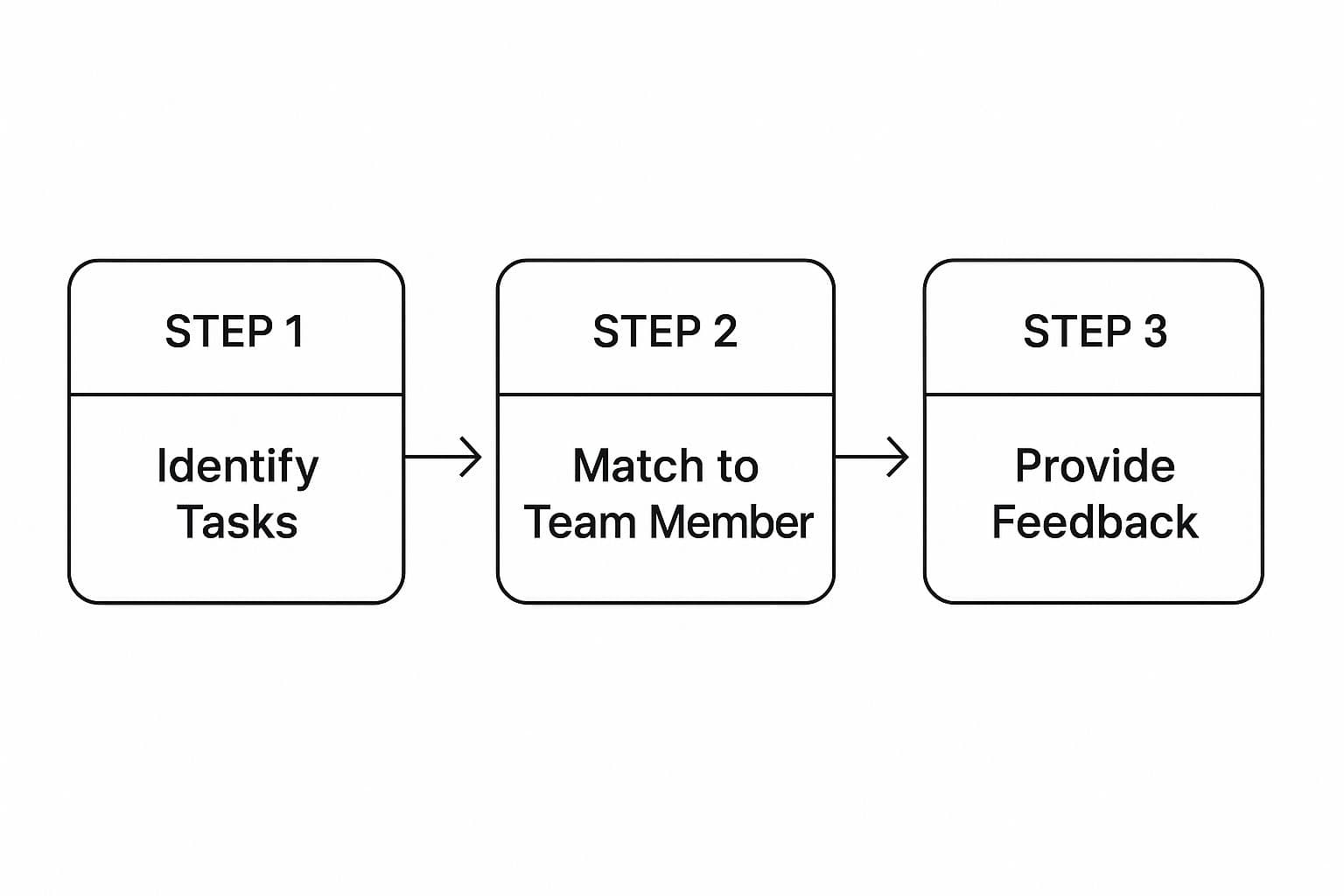
This visual flow takes you from task identification to feedback loops, making delegation a reliable part of your leadership toolkit. For more tips on building collaboration routines, check out How To Collaborate In A Project For Real Results. By offloading the right tasks, you’re not just clearing your plate; you’re strengthening your team’s skills and confidence.
Choosing the Right Person for the Task
Here’s where a good delegation strategy really starts to shine. It's tempting to just hand off a task to your most reliable person or whoever seems to have the least on their plate. But learning how to delegate tasks effectively means you have to look past who’s simply available.
Think of it less as plugging a hole in your schedule and more as creating a genuine opportunity for someone on your team. The right task, given to the right person, can spark motivation, help them grow a new skill, and get them ready for bigger things down the road.
Look Past Skills—Consider Strengths and Goals
Matching a task to someone’s existing job description is the easy way out. Great delegation requires you to really know your people—their hidden talents, their professional ambitions, and what actually gets them excited to come to work. Instead of asking who can do the job, start asking who would benefit the most from the experience.
Let's say you have a data analyst who's a wizard with spreadsheets. If you know they've been wanting to get more comfortable in front of clients, why not delegate a small piece of an upcoming client presentation to them? Just like that, a routine task becomes a powerful development tool.
Before you make the handoff, run through a quick mental checklist. It’s not about overthinking it, but about making sure your choice is intentional.
- Who has shown an interest in this kind of work? Keep an eye out for that person who's been asking questions or seems curious.
- Who needs this experience to get to the next level? Think about your team’s career goals and how this task might align.
- Who has untapped potential? Sometimes a stretch assignment is perfect for someone with raw talent but not much formal experience.
- Whose plate can realistically handle this? Delegating isn't about burning out your top performers. Be mindful of current workloads.
Don't Forget to Explain Your 'Why'
Once you've landed on the right person, how you hand off the work is crucial. Don't just drop it on their desk. Explain your thinking.
A simple conversation can make all the difference. Try something like, "I'm asking you to lead this research project because you have a unique ability to spot patterns in data, and this is a great chance for the leadership team to see that skill in action."
This little bit of context does so much. It connects the work to a bigger purpose and shows the person you see and value their unique contributions. That's how you get someone to take true ownership of the outcome, turning them from a doer into a driver.
Communicating for Clarity and Confidence
I’ve seen more delegated tasks go sideways due to fuzzy instructions than any other reason. It’s a classic mistake. If you want to delegate effectively, you have to be crystal clear. You're not just handing off a task; you're handing off the confidence to get it done right.
Think of it less like a quick Slack message and more like creating a mini "Delegation Brief." It doesn't have to be a stuffy, formal document. It can be a quick chat or a message, but it absolutely must cover the essentials. You’re building the guardrails so your team member can run with the idea without running off a cliff.
Building Your Delegation Brief
A solid brief is your best friend for getting everyone aligned from the get-go. It nips misunderstandings in the bud by laying out the core pieces of the task.
Let's say you're delegating a quarterly analytics report. Instead of just saying, "Hey, can you pull the Q3 numbers?" try this approach:
- The Outcome: "I need a report that shows our Q3 lead generation performance against Q2. Specifically, I want to see our top three channels and any big trends that jump out."
- The Why: "We're using this to decide where to put our marketing dollars in Q4, so getting this right is a big deal."
- Key Constraints: "Let's aim for a first draft by Wednesday EOD. Stick to the data from our main analytics dashboard and use the standard company branding."
- What ‘Done’ Looks Like: "The final deliverable should be a one-page summary with three key charts and some quick bullet points. Pop it in the shared drive when it's ready."
See the difference? This gives them the freedom to work, but within a framework that ensures the final result is exactly what you need. When people understand the why behind the work, they bring their best thinking to the table. For a deeper dive into these dynamics, check out our guide on how to improve team communication for success.
Fostering Ownership Through Autonomy
Great communication isn't just about the instructions. It's about building trust and giving people the space to own their work. When you give someone the what and the why but let them figure out the how, you ignite a powerful sense of ownership.
This isn't just a hunch; the data backs it up. Research highlighted in the Journal of Multidisciplinary Healthcare shows a direct link between autonomy and motivation. Giving people independence in their work is a huge driver of job satisfaction. When someone feels truly responsible for the outcome, their commitment level skyrockets. You can read more about how delegation impacts job satisfaction and its tie to motivation right from the source.
Monitoring Progress Without Micromanaging

The moment you hand off a task, it's tempting to hover. I get it. But learning how to delegate tasks effectively means you have to swap that need for control with genuine trust. Think of it as creating a safety net, not a cage. This gives your team the space to truly own their work while knowing you've got their back if things go sideways.
Finding this balance is tricky, but it's absolutely essential. Giving someone autonomy doesn't mean you go dark; it means setting up a predictable rhythm for communication. This keeps you in the loop without you having to constantly poke them for updates, which ultimately builds their confidence and problem-solving skills.
Set Up Your Monitoring System
Before a single minute is spent on the task, decide together how you’ll both stay updated. This isn't about looking over their shoulder; it's about being transparent. Agreeing on the rules of engagement upfront saves a lot of stress and guesswork for both of you down the line.
A good, simple system could look like this:
- Regular Check-ins: Schedule quick, consistent syncs. A 15-minute chat every Tuesday and Thursday can be perfect. These aren't grueling status reports; they're quick huddles to bust through any roadblocks.
- Shared Project Tools: Put a tool like Asana or Trello to work. A shared document can also do the trick. This way, you can see progress whenever you want without interrupting their flow to ask, "So, how's it going?"
- Clear Escalation Paths: Figure out what warrants an immediate SOS. For example, maybe they handle any issue that costs less than $100, but anything that threatens the project deadline comes straight to you.
The Art of the Check-In
Those regular check-ins? They're your secret weapon for monitoring without micromanaging. The trick is to keep them short, sharp, and focused on the future. Don't ask what they did yesterday. Instead, ask what's next on their list and if anything is getting in their way. This simple shift turns an interrogation into a collaboration.
If you want to get really good at this, check out our guide on how to run effective team meetings that drive results.
And here's a final, crucial thought: a delegated task probably won't be done exactly the way you'd do it. That’s okay. As long as the work meets the standards and hits the goals you both agreed on, count it as a huge win. Fight the urge to nitpick small details that don't change the outcome. This is how you show real trust and empower your people to find their own best way of working—which is what delegation is all about.
Giving Feedback That Fuels Growth
Alright, so the task is done. Box checked. But hold on—your job as the delegator isn't quite finished yet. Think of a delegated task as more than just getting something off your plate; it's a prime opportunity for one of your team members to grow. That final conversation is where the real magic happens.
This isn't about a simple handoff. It's about creating a powerful feedback loop. This is your moment to recognize real effort, celebrate what went right, and talk honestly—but always kindly—about any hiccups along the way. Your goal is to build up their confidence so they're genuinely excited to take on even more next time.
How to Structure a Constructive Review
When you sit down to chat, always lead with the good stuff. What went well? Was there a specific part of their work that really impressed you? Kicking things off by acknowledging their successes and effort makes people much more receptive to hearing about what could be improved.
Once you've celebrated the wins, you can gently pivot to the learning moments. The key here is to frame the discussion with questions, not accusations. It’s a conversation, not a critique.
Try asking things like:
- "Tell me a bit about your process here. How did you decide to approach the research phase?"
- "Were there any points where you felt stuck or wished you had more information?"
- "If you were to tackle a similar project next month, what’s one thing you might do differently to make it even better?"
This method isn't about nitpicking or pointing out what they did wrong. It’s a collaborative debrief. You're working together to find ways to improve, which is essential for building your team’s skills and creating a culture where feedback is seen as a gift, not a punishment.
This commitment to follow-through has a real, measurable impact. For example, solid delegation is linked to an 18% reduction in employee turnover and a serious bump in overall productivity. When you combine this kind of follow-up with clear goals and a foundation of trust, you're not just assigning tasks—you're building leaders. You can dig deeper into how delegation strategies boost retention and productivity to see the data for yourself.
Got Delegation Questions? We've Got Answers
Even the most seasoned leaders run into a few bumps in the road when they start delegating. It's completely normal. Let's walk through some of the most common questions and sticking points that pop up.
What If the Work Isn’t Done to My Standard?
This is probably the biggest fear that stops managers from delegating in the first place. I get it. The key is to figure out if the work is genuinely poor, or if it's just different from how you would have done it.
If the final result achieves the goal we all agreed on, try to let go of the small stuff. Resisting the urge to nitpick how they got there is a huge part of building trust.
But what if the quality really does miss the mark? Don't just fix it yourself. Turn it into a coaching opportunity. Sit down with them, use specific examples to show where things went off track, and talk through how to get it right next time. It's an investment that pays off.
How Much Detail Is Too Much Detail?
There's no magic formula here—it really depends on who you're talking to and what you're asking them to do.
- For a senior team member on a familiar task, you can probably just focus on the "what" and "why." They'll know how to handle the rest.
- For a junior employee tackling something new, you'll need to be much more specific. Give them clear instructions, point them to the right resources, and maybe even share an example of what "good" looks like.