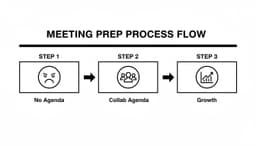
We’ve all been there—stuck in a meeting that feels like it's going nowhere fast, leaving everyone wondering what, if anything, was actually accomplished. The frustration is real, but the problem usually boils down to one missing piece: a solid team meeting agenda. It’s the single most powerful tool for getting your team’s time and focus back on track.
Why Most Meetings Feel Like a Waste of Time
It's a scene we all know too well. The meeting ends, and you realize the big decisions got pushed to next time. Again. All while half the team was sneakily checking their emails under the table. This isn't just a minor annoyance; it’s a massive productivity killer that creates serious "meeting fatigue."

So, what's the root cause? Almost always, it's the lack of a clear plan. When a meeting has no structure, conversations wander off-topic, goals are fuzzy, and no one is quite sure why they’re in the room. Without a roadmap, it's just a matter of time before the session devolves into a free-for-all discussion that goes nowhere.
The Hidden Costs of Poor Planning
The damage from agenda-less meetings adds up quickly and goes far beyond a messed-up schedule. These are the real costs that often fly under the radar:
- Disengaged Teams: If people don't know the meeting's purpose, they check out. They become passive listeners instead of active problem-solvers.
- Wasted Money: Every minute your team spends in an unproductive meeting is a direct hit to the company's bottom line—in salaries and lost opportunities.
- Tanking Morale: Nothing kills motivation faster than sitting through one pointless meeting after another. It makes people feel like their time isn't valued.
And this isn't a rare occurrence. Some research shows that a staggering 64% of recurring meetings don't even have an agenda. Even when they do, 21% are so vague they’re basically useless—less than 500 characters of text to guide a whole meeting.
In the end, a great agenda is what turns a potential time-waster into a focused, productive session. Mastering this simple document is the first step when you learn how to run effective team meetings that drive results and leave your team feeling energized, not drained.
We’ve all been in meetings that wander aimlessly and end with a collective sigh of, "What was that for?" The antidote isn't fewer meetings; it's better meetings, and that starts with a thoughtfully constructed agenda.
Think of your agenda not as a simple to-do list, but as the strategic blueprint for a productive conversation. Without one, even well-intentioned discussions can get derailed, leaving everyone frustrated and behind schedule.

So, what does an agenda that actually works look like? It’s built on a few non-negotiable pillars.
Start With a Single, Clear Objective
This is the most critical piece. Every meeting needs a North Star—one specific, action-oriented statement that defines success. A vague goal like "discuss project status" is an invitation for the meeting to meander.
Instead, get specific. For a weekly check-in, a great objective would be: "Identify and resolve the top three blockers for the Q3 marketing campaign." For a project kickoff, it might be: "Finalize the project timeline, assign key roles, and agree on the first three deliverables." See the difference? That clarity gets everyone aligned from the very beginning.
Define Roles and Responsibilities
Next, a solid agenda makes it crystal clear who is responsible for what. Every single discussion point should have a designated owner—the person tasked with leading that part of the conversation.
This simple act of assignment changes the dynamic entirely. It turns attendees from a passive audience into active participants because they know exactly when they're "on." It also forces people to prepare. When team members see their name next to an item, they know to show up with the right data, updates, or insights to move the discussion forward.
Allocate Time Wisely
Finally, every agenda item needs a realistic time slot. This isn't just about scheduling; it’s about signaling priority. Giving 25 minutes to a major strategic decision and only 5 minutes to routine updates tells the team exactly what matters most.
Timeboxing also builds discipline. When a 10-minute topic starts to bleed into 20 minutes, the timekeeper (another key role!) can gently get things back on track or suggest moving the topic to a separate follow-up. It creates a sense of urgency and shows respect for everyone's schedule, making sure the most important items get the focus they deserve.
To put it all together, here's a look at the essential components that turn a simple list of topics into an actionable plan.
Key Components for an Actionable Agenda
This table breaks down the core elements your agenda should include to drive clarity and keep everyone focused.
| Component | Purpose | Example |
|---|---|---|
| Meeting Objective | Defines the single desired outcome. | "Decide on the Q4 hiring plan and approve the budget." |
| Key Topics | Lists the specific discussion points. | 1. Review Candidate Pipeline 2. Q4 Budget Proposal 3. Finalize Job Descriptions |
| Topic Owners | Assigns responsibility for leading each item. | 1. Maria (HR) 2. David (Finance) 3. Team Lead |
| Time Allocation | Sets a realistic duration for each topic. | 1. 10 mins 2. 20 mins 3. 15 mins |
| Prep Materials | Links to documents needed for review beforehand. | Link to budget spreadsheet, link to candidate tracker |
By including these elements, you're not just outlining what you'll talk about; you're setting the stage for a meeting that actually accomplishes something.
Building Your Agenda from the Ground Up
Let’s be honest: crafting a great team meeting agenda isn't a solo mission. It’s a collaborative effort that starts well before anyone walks into the meeting room. I've found the most effective agendas are the ones built with input from the whole team, which naturally creates a sense of ownership and makes sure we’re actually talking about what matters to everyone.
A simple way to get started is by creating a shared space for ideas. This could be anything from a Google Doc to a dedicated channel in Slack. Team members can drop in potential discussion points as they come up during the week. This small change shifts the agenda from a top-down mandate to a document the team built together. When people feel heard, they show up ready to participate, not just to listen.
Prioritizing What Truly Matters
Okay, so you have a list of potential topics. Now what? You have to prioritize. Not every item is created equal, and trying to tackle everything is a recipe for a long, frustrating meeting.
I like to use a quick impact-versus-urgency matrix to sort through the noise. Just ask two simple questions for each item:
- How big of an impact will this have on our goals?
- How urgent is it that we resolve this now?
For example, a looming client deadline is obviously high-impact and urgent—that goes right to the top. A chat about the next team-building activity? Important for morale, for sure, but probably low urgency. It can wait until the end or be handled over email.
This filtering process helps you see what deserves your team's limited time and keeps you from getting bogged down in minor details.
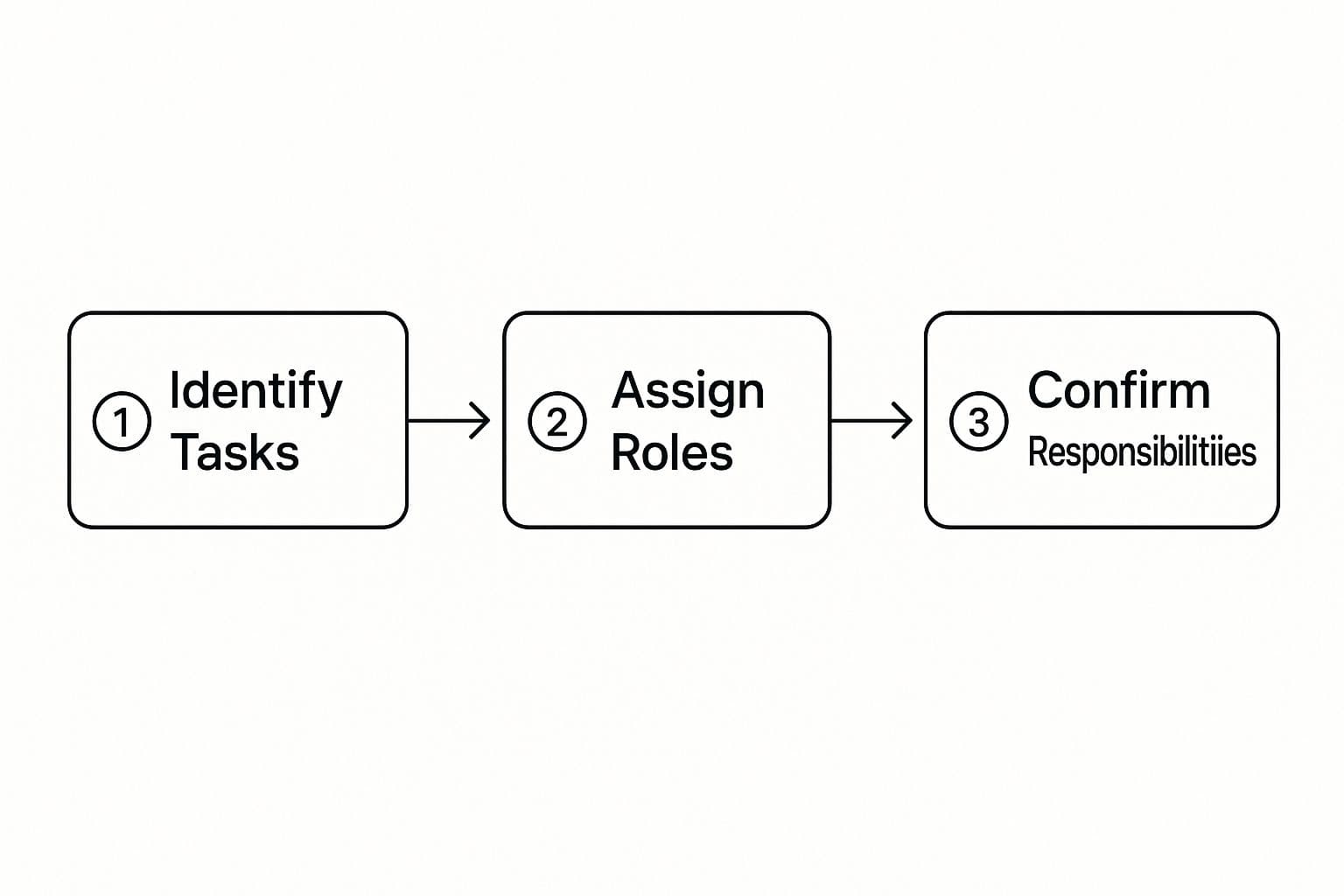
This diagram breaks it down perfectly: identify the work, get the right people on it, and make sure everyone is crystal clear on their role. This is how you turn a simple conversation into concrete action.
Defining Outcomes and Allocating Time
With your priorities straight, it's time to get specific. For every single item on the agenda, define the desired outcome. Don’t just write "Discuss Q4 Marketing Plan." That’s too vague.
Instead, frame it as an action: “Decide on the top three marketing channels for Q4.” This simple tweak focuses the conversation on reaching a conclusion, not just talking in circles.
Next, give each item a realistic time limit. Be ruthless here. This is what keeps the meeting moving. A complex decision might need 20 minutes of debate, but a quick project update should only take five. If you're looking for inspiration, there are tons of great meeting agenda examples and templates out there that can help you find a structure that works for your team.
Finally, and this part is non-negotiable, send the agenda out at least 24 hours in advance. This is more than just a courtesy; it's a game-changer. It gives everyone a chance to read it, prepare their thoughts, and review any documents. When people walk in prepared, they aren't just attendees—they're active contributors.
Matching Your Agenda to the Meeting Type
Let's be honest: a one-size-fits-all agenda is a recipe for a bad meeting. A quick daily stand-up has a completely different energy than a deep-dive brainstorming session, and your agenda needs to reflect that. The trick is to match your agenda’s structure to the meeting's specific purpose, making sure you’re always using the right tool for the job.
Think about it this way: a project review needs a tight, data-driven agenda filled with clear metrics and progress updates. But a creative brainstorm? That calls for an open-ended, question-driven structure designed to spark ideas, not shoot them down.
Here’s a quick look at how you might structure an agenda for a brainstorming meeting, a common format for getting new ideas on the table.

This image perfectly captures the spirit of brainstorming—it’s all about a free-flowing exchange that builds momentum. Initially, you're aiming for quantity over quality to create a big pool of concepts you can sift through and refine later on.
For Daily Stand-Ups or Huddles
Keep it short and to the point. The agenda for a daily huddle should be ruthlessly efficient, focusing entirely on moving work forward. The classic “what I did yesterday, what I’m doing today, and what’s blocking me” is still the gold standard for a reason. It keeps the meeting under 15 minutes and locked on action. This is not the place for big strategic discussions.
For Strategic or Decision-Making Meetings
These are the heavy hitters, and they demand more structure and prep work. Your agenda should frame topics as decisions that need to be made, not just vague items to "discuss."
- Objective: Decide on the Q3 marketing budget.
- Discussion Point 1 (20 mins): Review budget proposals from each team.
- Discussion Point 2 (25 mins): Debate the pros and cons, then vote on the final allocation.
- Action Items (5 mins): Confirm who is responsible for the next steps.
It's also interesting how regional work cultures can influence these meetings. In the United States, for example, about 55% of meetings wrap up in 30 to 60 minutes. But in Europe, 67% of meetings push past the hour mark, pointing to a preference for longer, more in-depth conversations. You can dig into more of these trends by checking out the full research on MyHours.com.
Whether your team is fully remote, hybrid, or all in the same room, the core principle is the same. A well-crafted team meeting agenda provides the clarity and focus you need to make every minute count.
Pro-Level Tips for Better Meeting Agendas
Once you've got the basics of a good agenda down, it's the small, smart adjustments that can really make your meetings productive. These are the tactics I've seen turn a standard check-in into a session where things actually get done, keeping everyone engaged and on track.
One of the most effective tools in my playbook is the "parking lot." It's just a simple, designated space—maybe a corner of the whiteboard or a section in your shared doc—where you can "park" ideas that are important but not relevant to the current topic.
When a conversation starts to wander, you can gently guide it back by saying, "That's a great point, let's add it to the parking lot and make sure we circle back to it." This validates the person's contribution without derailing the meeting.
Frame Topics as Questions
This next one is a game-changer. Instead of listing a vague topic like "Q3 Social Media Strategy," rephrase it as a question.
Try something like, "Which social media platform should we prioritize in Q3 to hit our lead generation goal?"
This tiny shift works wonders. It immediately focuses the team on a specific outcome and pushes the conversation toward a decision, not just a general discussion. A question begs for an answer, turning a passive update into an active problem-solving session. This is also where great notes make a difference. To keep track of all the solutions and decisions, it's worth knowing how to take better meeting notes.
Optimize for Hybrid and Remote Teams
With so many teams spread out, agendas need to work for everyone, everywhere. It's a real challenge. Nearly one-third of meetings now cross multiple time zones, a 35% increase since 2021. That's pushing more meetings into inconvenient hours, with a 16% rise in meetings happening after 8 PM.
Your agenda needs to be crystal clear for anyone dialing in. Always include start times for different time zones and make sure every link to pre-reading material is easy to find and access. You can dig into more of these trends in the findings on Archieapp.co.
Finally, don't be afraid to assign roles. Beyond the meeting leader, have a designated timekeeper to keep everyone honest with the schedule and a dedicated note-taker to capture every decision and action item. Spreading these responsibilities around gives everyone a stake in making the meeting a success.
Got Questions About Meeting Agendas? We’ve Got Answers.
Even the most seasoned managers run into questions when putting together a team meeting agenda. It's totally normal. Here are a few of the most common ones I hear, along with some practical advice.
When’s the Best Time to Send Out the Agenda?
You should always aim to send it at least 24 hours ahead of time.
This isn't just about being polite; it's a strategic move. Giving your team a full day to look it over lets them process the topics, pull together any data they need, and actually think about what they want to contribute. It’s the difference between having a room full of active participants and a passive audience.
What Do I Do When the Conversation Goes Off-Track?
It happens to all of us. A great, but totally unrelated, idea pops up and suddenly you're way off topic. The trick is to acknowledge it without letting it derail the entire meeting.
Don't just shut the idea down. Instead, say something like, "That's a great point, let's add it to the 'parking lot' so we can give it the attention it deserves later." A "parking lot" is just a simple list of topics to circle back to. This approach validates the person's contribution while keeping you on schedule.
Whose Job Is It to Create the Agenda, Anyway?
Typically, the meeting organizer or team lead is the one who puts the final agenda together. They own it.
But the best agendas are born from collaboration. Before you finalize anything, ask your team for input. This ensures the topics are actually relevant to everyone and that you’re tackling the team's most important challenges, not just your own.
Ready to make your meetings even more productive? Summarize Meeting has a complete guide to AI tools that can automatically capture every decision and action item. Find the perfect fit for your team at https://summarizemeeting.com.
🔗 Related Reading
For more insights on meeting productivity and AI tools: